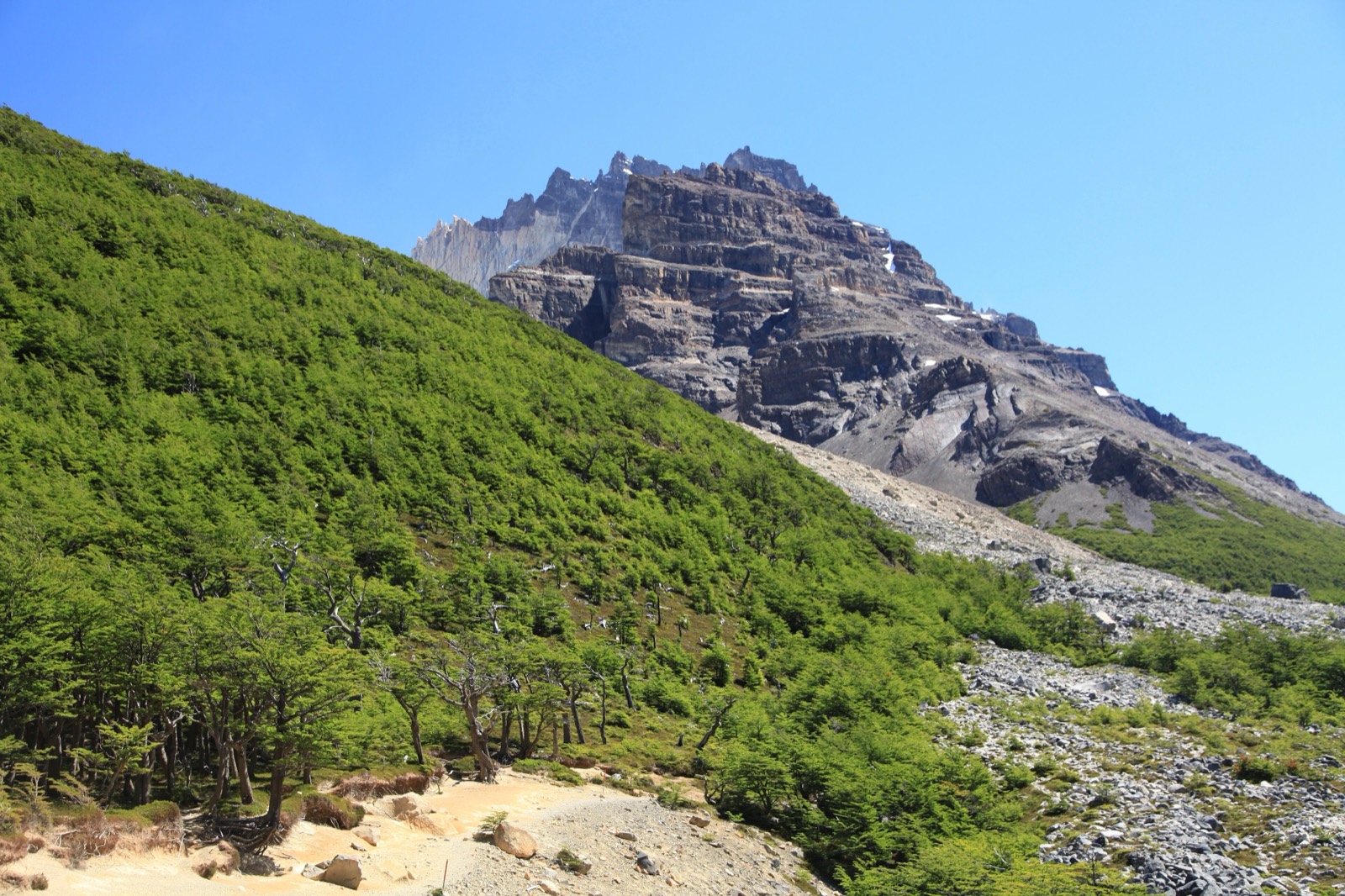
Trek the world's great trails
Go higher. Go further.
Kilimanjaro, Everest Base Camp, the Inca Trail — legendary treks run by the best guides on earth.
Kilimanjaro, Everest Base Camp, the Inca Trail — legendary treks run by the best guides on earth.
A big trek runs on more than boots. These are the few practical things worth sorting before you fly — the ones that quietly save a trip when a connection drops, a bag goes missing or altitude bites. Each is a partner we rate; you book directly with them.
Data the moment you land — offline maps, weather and a lifeline on the trail without hunting for a local SIM.
Get an eSIM → InsuranceCover for you, your kit and the unexpected — check the policy includes high-altitude trekking and emergency evacuation before you book.
Get covered → TransferA driver waiting at arrivals to take you to your trailhead town — fixed price, no haggling after a long-haul flight.
Book a transfer → ExperiencesAdd a city tour, a safari or an acclimatisation day trip on the days before and after your trek.
Browse experiences →Summit & Trail may earn a commission when you book through our partners, at no extra cost to you. We only recommend what we genuinely rate.
There's nothing like standing somewhere you had to earn with your own legs. The thin air, the sunrise over the summit, the quiet pride of having made it. That's what we send people to do.
We're an independent guide to the world's great treks — honest advice on routes, training and kit, so you can plan and book your own way.
"Hard days, unforgettable views, and a version of you that's a little bit tougher."
Tap any trek to read the full, honest guide.
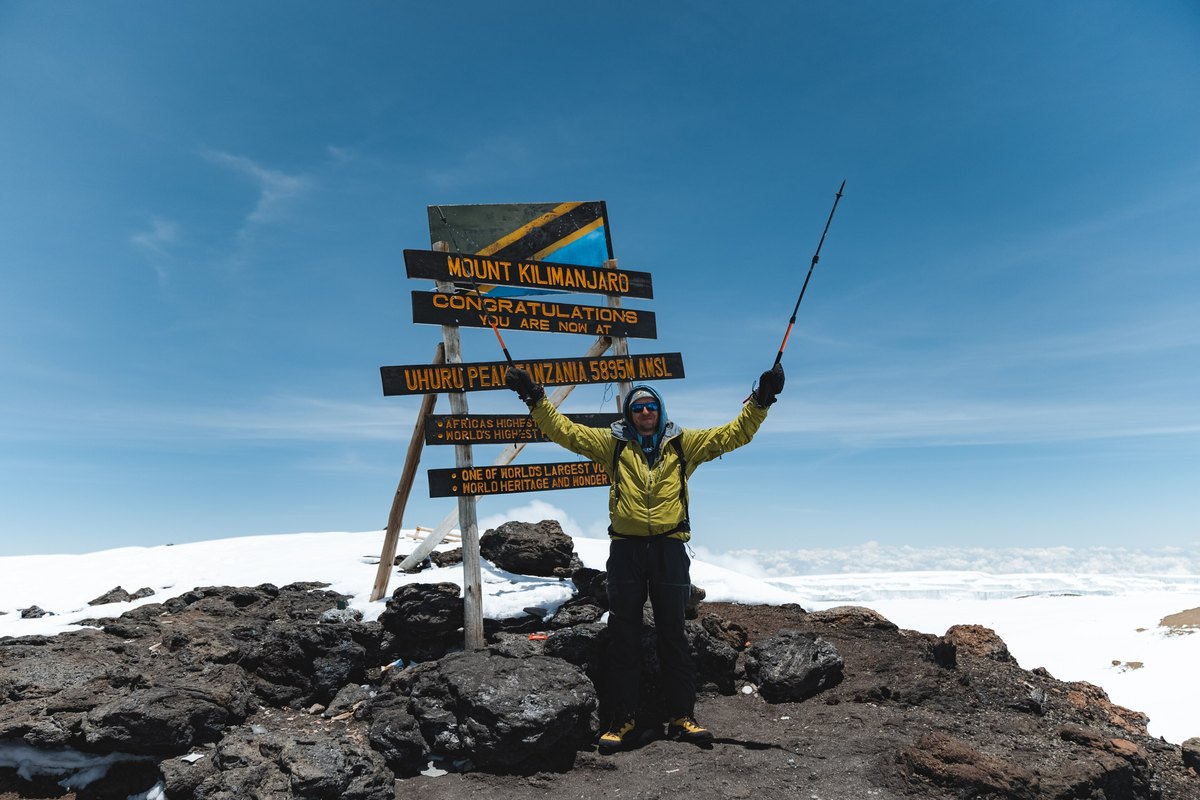 Tanzania
Stand on the highest point in Africa at sunrise. The trek of a lifetime.
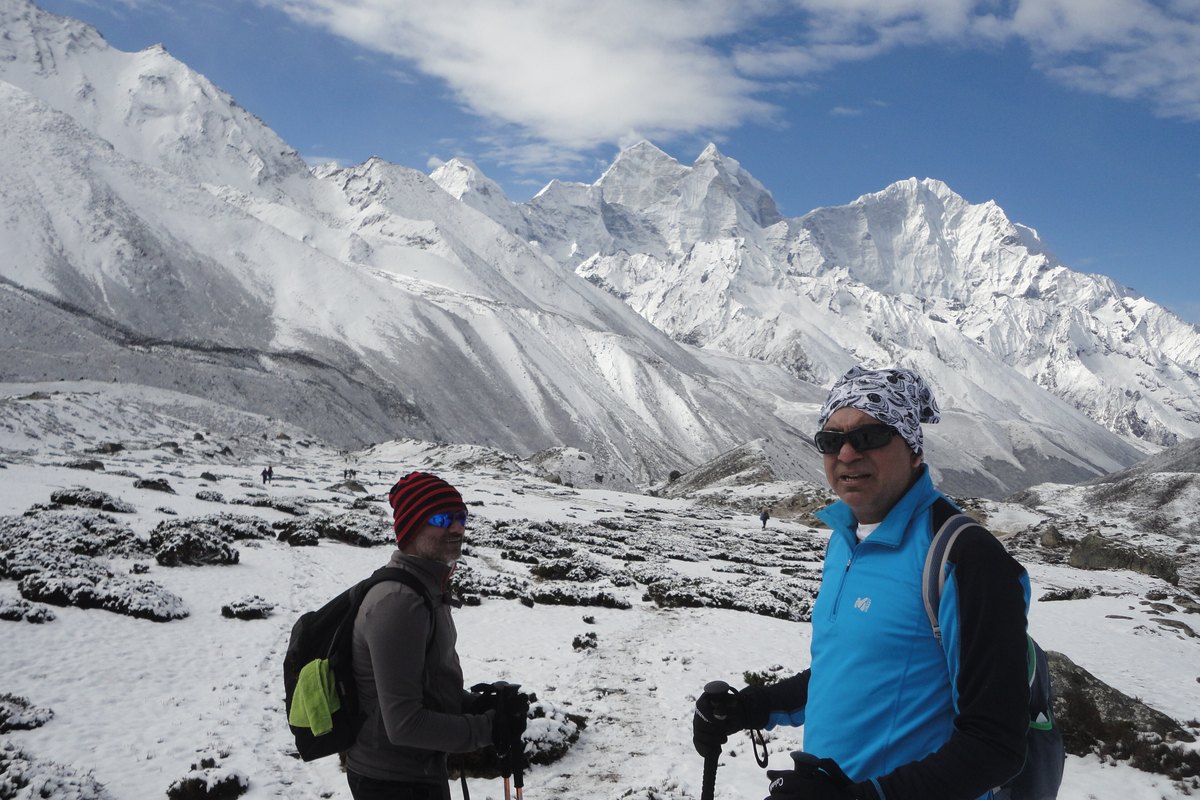 Nepal
NepalFollow the legends to the foot of the world's highest mountain.
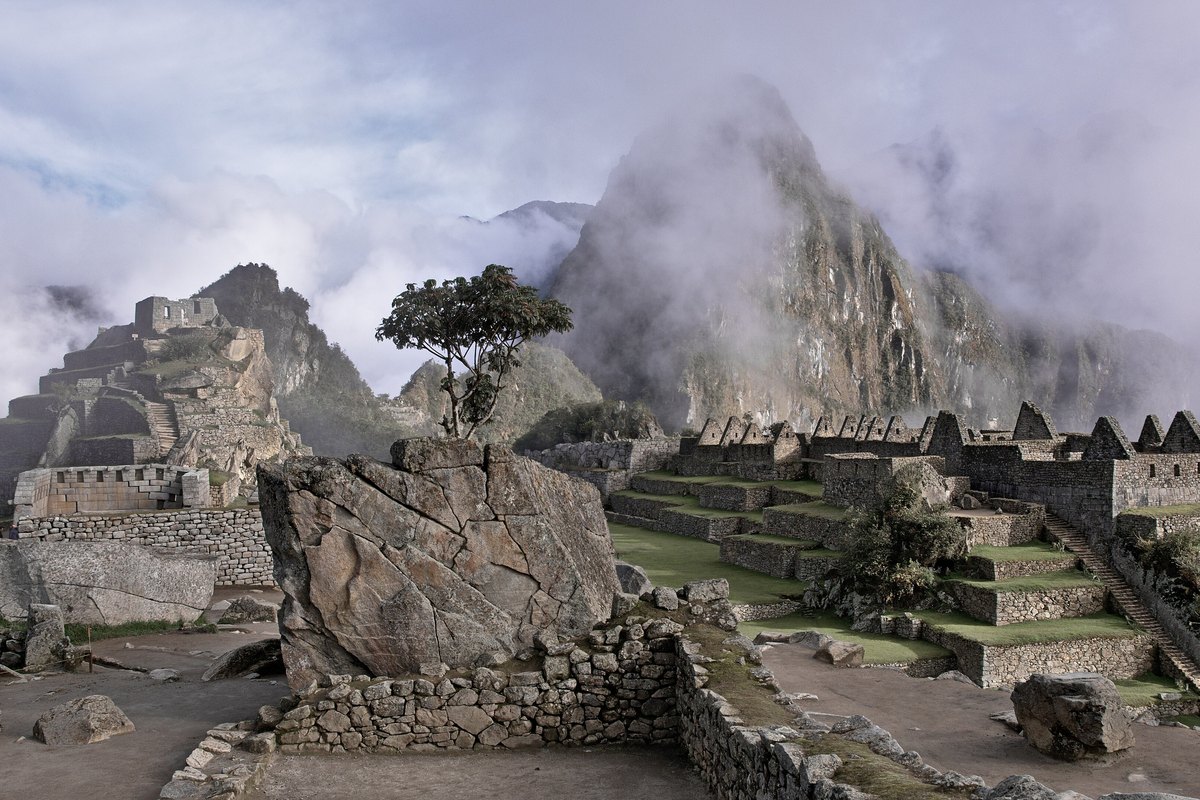 Peru
PeruFour days through cloud forest to a sunrise at Machu Picchu.
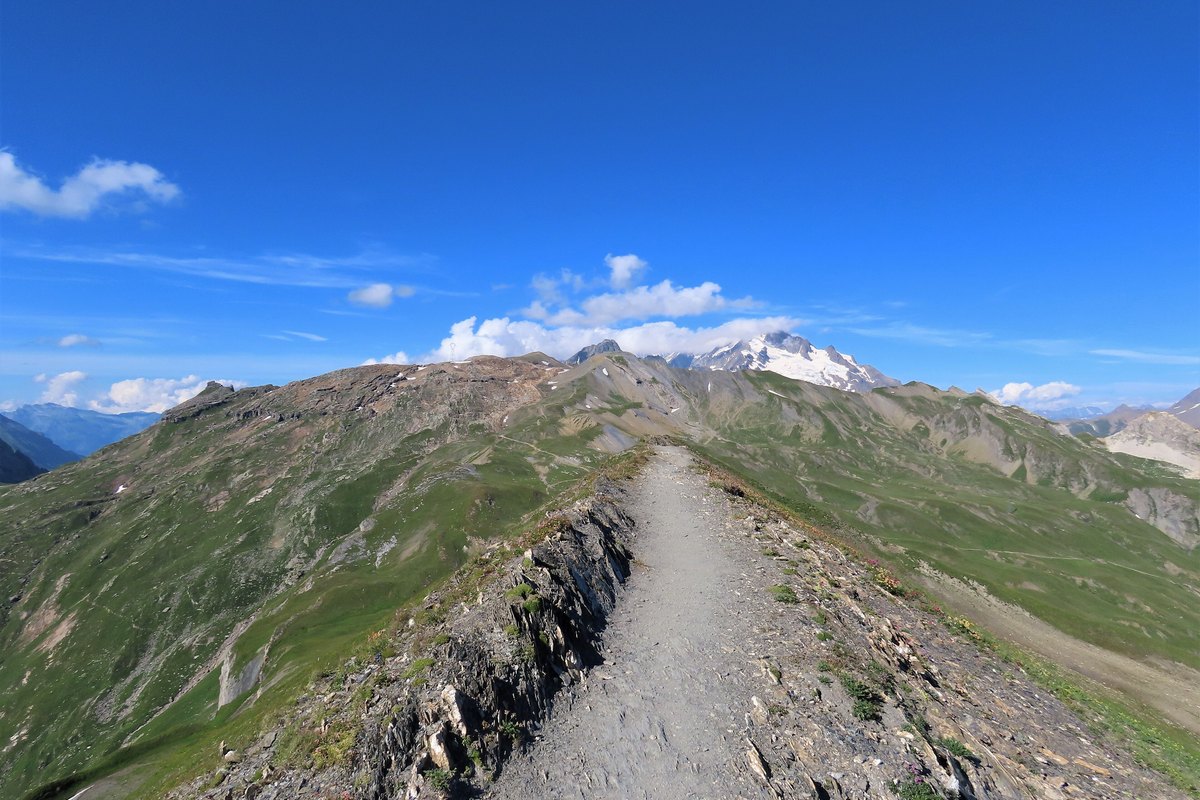 Alps
AlpsThe classic Alpine circuit — three countries, endless valleys.
A taste of the trails — read the guide for each, or join the list for new departures.
Pick a trek, the days you have and your fitness — get the typical length, an honest read on the altitude, a rough budget range and a checklist of what to sort next. Built from our own guides.
If you only read a handful before you commit, make it these. Each one is the honest groundwork on a decision that actually changes your trip — which route, what it costs, how hard it really is, and how to arrive fit and acclimatised.
We're an independent guide, not a tour operator. We don't run, sell or book treks, and we take no payment to feature one over another — we explain the routes honestly and tell you what we'd choose. When you're ready, you book your own trek, permits and stays directly with the operators you pick. Some links here are affiliate links: if you book through one we may earn a small commission at no extra cost to you, and it never changes what we recommend.
We don't sell treks or take your booking — we do the homework so you arrive prepared. Read the honest guide, pick the route and season that fit you, then book your own trek, permits and stays with operators you choose. Here's the short version.
Choose the mountain or trek that's calling you.
Honest detail on routes, cost, fitness and the best season to go.
Lace up, climb high, and stand somewhere unforgettable.
We don't cover everything — we cover the trails worth the effort, with honest advice on routes, training and timing. Big mountains, planned well.
Honest advice on doing it safely and well.
A tight crew, not a crowd.
The treks everyone should do once.
Brochures sell the summit photo. The real thing is colder, slower and harder — and better for it. These are the moments people remember most, in their own words, so you know what you're signing up for before you lace your boots.
Summit night is the hardest, coldest, most rewarding few hours of the whole climb.
You walk for days into thinner air, and the mountains just keep getting bigger.
Four days on Inca stone, then the Sun Gate opens onto Machu Picchu at dawn.
The questions we get asked most, answered honestly. For the full detail on any of them, the guides go deeper.
Fitter than a typical holiday, but you don't need to be an athlete. Most big treks ask you to walk six to eight hours a day, several days running, often uphill and at altitude. Eight to twelve weeks of regular long walks — building up distance and walking with a loaded pack on hills — gets most healthy people ready. Consistency matters far more than peak fitness, and our training guide lays out a real week-by-week plan.
It depends entirely on the trek. Kilimanjaro is best in its dry windows (roughly January–March and June–October), Everest Base Camp shines in spring and autumn, and the Tour du Mont Blanc runs through the short Alpine summer from late June to September. Shoulder seasons mean fewer people but more weather risk. Each route guide gives the honest seasonal picture so you can weigh crowds against conditions.
Some treks legally require a licensed guide — the classic Inca Trail and Kilimanjaro among them — while others, like the Tour du Mont Blanc, can be done fully self-guided if you're comfortable navigating and booking your own refuges. Going guided buys safety, logistics and local knowledge; going independent buys freedom and saves money. Our guided-vs-self-guided guide walks through which treks decide for you.
Serious enough that it ends more high-altitude treks than poor fitness does, and it can affect anyone regardless of how strong they are. The single best defence is going slowly and letting your body acclimatise — choosing an itinerary with enough days, climbing high and sleeping low, and knowing the early warning signs so you turn around in time. It's important enough that we wrote a whole guide on what actually works.
Gear, layers and prep for big treks — Kilimanjaro, Everest Base Camp, the Inca Trail and beyond.